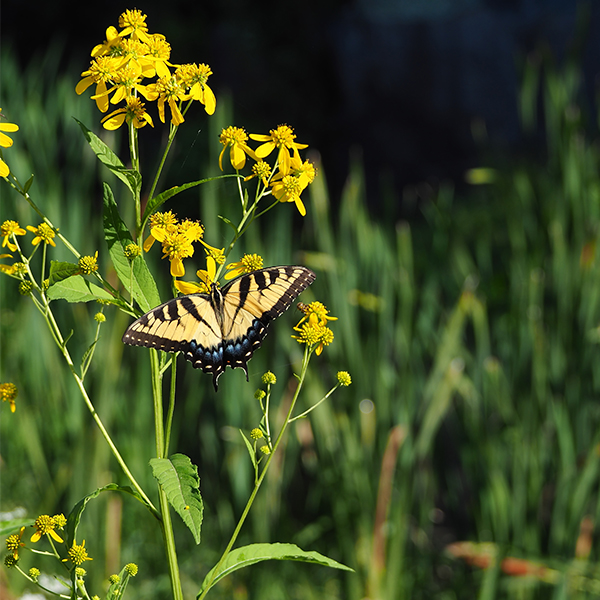
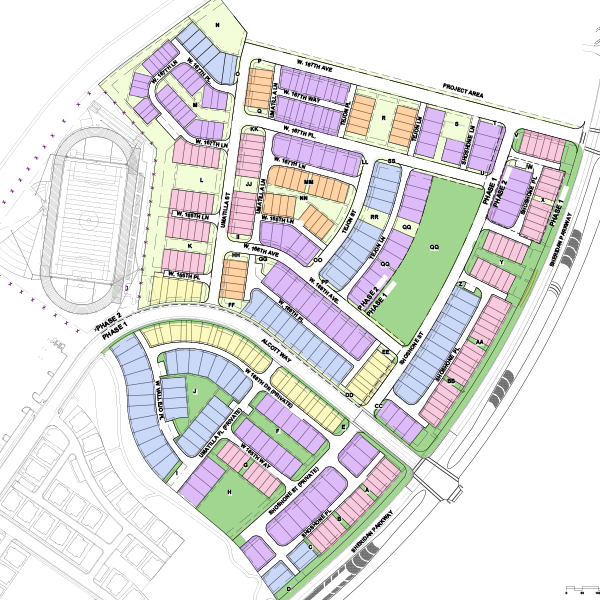
As the 2023 growing season comes to a close, take a peak at the map below to learn the status of common-area landscaping at Baseline. Also, find out how to identify when a landscaper has neglected a grassy area and when they haven’t.
Stages of completion
Construction in the West Village (the Baseline neighborhood west of Sheridan) is drawing to an end. As homes are finished and builders leave areas, it’s then safe for the developer to plant flowerbeds, pocket parks, tree lawns, and other common areas.
Phase 1 of the landscaping (highlighted in green on the adjacent map) has been installed and turned over to Baseline’s Metro District. With the exception of a few areas that were damaged by builders and are in need of repair, this phase is complete.
Landscaping in phase 2 (the light-yellow area pictured above Alcott Way) will wrap up in the spring.
To see the stages of completion for phase 2, click on the adjacent map. This will take you to a new image with a color key depicting the areas that are complete (black) or nearing completion (orange), and those that won’t be planted until the spring of 2024 (pink). Phase 2 landscaping is still under developer control.
When will they mow the grass?
Throughout the West Village, in both phase 1 and 2 landscaping, you will find different types of grassy areas — lawns meant for walking, running, and playing; and others areas intended to provide habitat for pollinators.
Lawns are easy to identify. They’re planted with rolls of sod, look great immediately, and are typically mowed once a week during the growing season.
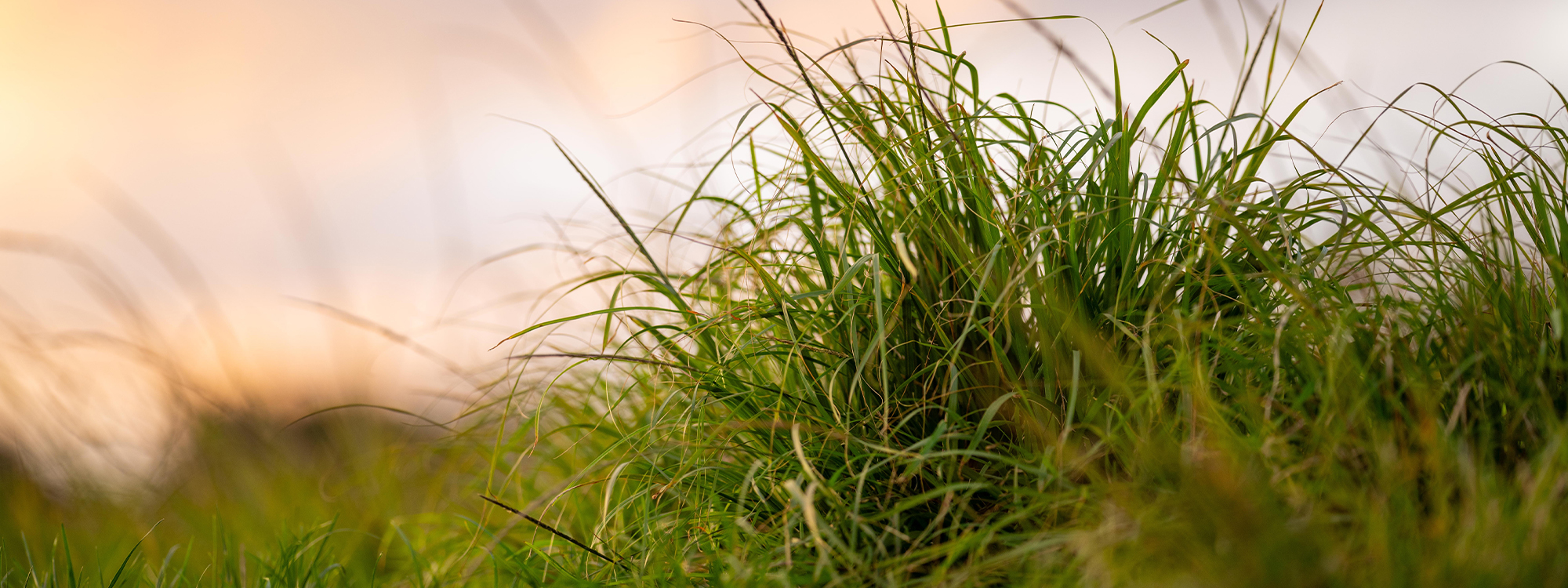
Meanwhile, areas seeded with native grasses can be deceiving. They have an awkward, early stage. It usually takes 3-5 years for them to fully establish, and their maintenance looks very different.
Native grass areas are only mowed twice a year to promote reseeding. So, if you see grassy areas that appear neglected or forgotten, they may actually be young native grasses that the landscaper is watching closely and waiting for them to go to seed.
Native or lawn?
How do you know if an area with tall grass is maintained native or neglected lawn?
A good rule of thumb is if a location was planted with sod (appears dark green and dense) and the grass is a foot tall, it’s been neglected by the landscaper. Submit a community concern form so we can follow up with the vendor.
If the area was planted from seed and it’s a foot tall (it may have some weeds, too) that’s young native grass. Believe it or not, it’s supposed to look that way.
Be patient. It’s just a stage. These areas will fill in over the next few years, typically pushing out unwanted weeds. And, not only provide native beauty, but also food and shelter for important pollinators.