
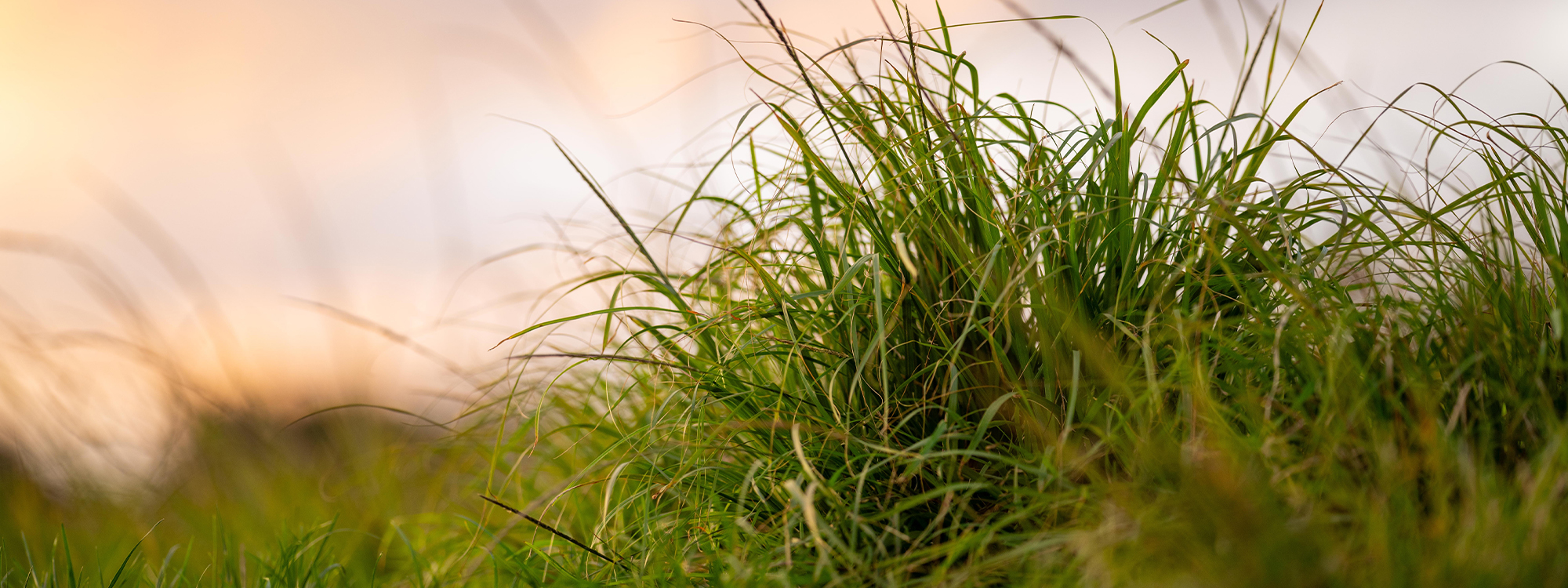
Native Grass
Native plants are a cornerstone of Baseline’s design. Perfectly suited for Colorado’s climate and soil, they use far less water than traditional lawns, thrive without fertilizers and pesticides, and require minimal maintenance. Plus, they support local ecosystems by providing essential food and habitat for pollinators like bees, butterflies and birds.
This approach not only aligns with Baseline’s vision — an urban neighborhood where people and pollinators thrive together — they help us meet city, county and state sustainability requirements.
If you’re accustomed to manicured lawns, the natural growth patterns of native plants might seem odd, at first. So, we’ve provided answers to common questions to help you understand what to expect and why it matters.
Seasonal Questions
Spring
The native grass areas throughout Baseline are thoughtfully planted with a mix of 20% cool-season and 80% warm-season grasses, which respond differently to Colorado’s changing seasons.
In April and early May, you’ll first notice the cool-season grasses begin to green up as temperatures rise. These are typically finer-textured and shorter, giving the landscape a soft, fresh look. Baseline’s native areas are still young, so in April the cool season grasses may appear sparse. As these plants reseed and establish over the next few years, the cool season grasses will fill in.
As the weather warms in late May and June, warm-season grasses begin to take over and cool season grasses will go dormant. Warm season grasses are often taller, with richer golden-green tones and seed heads that sway beautifully in the breeze.
In the fall, these grasses shift to warm shades of amber, bronze, and tan as they naturally go dormant. You may, also, see cool season grasses sprout a second time. This seasonal transition is intentional and reflects the natural rhythms of the prairie. These grasses aren’t meant to stay lush and green year-round like traditional turf. They’re designed to be resilient, water-wise and ecologically beneficial. The changing appearance is part of their beauty and what makes native landscapes dynamic and sustainable.
We appreciate your desire to help, here’s what you can do to prevent weeds in native areas.
Leave native areas undisturbed
In bare, trampled areas, weeds are often the first to grow. To help prevent weeds, avoid walking in designated native grass areas.
Avoid watering
Additional watering improves grass—as well as weed—growth. So leave watering of native areas to the experts at Environmental Designs, Inc.
Limit mowing & herbicides to your own yard
Mowing and herbicides are used strategically in native grass areas. If the grasses are still very small, weed management is generally limited to mowing once a year. Once the grasses are taller, all mowing will stop in order to let the grasses grow as many leaves and roots as possible. This is when our landscaper will utilize spot-treatments, like herbicides, spot-mowing, and string-trimming.
Give it time
Native grasses will fill in slowly and eventually out compete many weeds.
Native grasses have adapted to the hot, dry conditions of our region. They need little water to survive. This adaptation gives them a huge advantage over weeds when the area is not watered. The bonus: it also means a lower water bill.
Summer
The care and maintenance of native grass is very different than that of sod. With native grass, the more you mow, the more weeds grow. That’s because shade from tall grasses helps block sun-loving weeds, like bindweed.
Mowing is a tool for maintaining the health of the ecosystem. It’s used infrequently, only once a year. Grass growth and annual precipitation determine its timing. The benefits of leaving the native grass unmown include: reduced maintenance costs (90% less than conventional turf), fewer weeds, and habitat for wildlife.
The native grass has active and dormant seasons, just like traditional turf grass, but the native grass seasons are shorter. Cool-season grasses are the first to turn green in the spring. They tend to be most active in the spring and fall when temperatures are cooler. Warm-season grasses actively grow in the heat of summer (June-September).
These natural areas are still young. Walking on them may kill plants and create bald spots — prolonging the “ugly duckling” period.
To protect Baseline’s plants, reduce maintenance costs, help native areas establish faster and ensure beautiful landscaping that everyone can enjoy, please stay on the trail and do not walk through natural areas.
Year Round
Construction
There is no vehicle, equipment, or foot traffic permitted on any natural areas. These areas may provide more convenient access to your yard or home, but this can cause significant and costly damage to the landscaping. This damage often takes years to repair because of the slow establishment times of native grasses. Any resident who damages Baseline’s natural areas will be billed by BCA for all restoration costs. This includes damages caused by hired vendors and contractors.
Critters
Interacting with wildlife can cause serious harm — injury or even death. Unless the wildlife is causing damage to your home or has taken up residence in an inappropriate place (under your patio, in a wood pile, etc.), please leave wildlife alone. If necessary, contact a pest control professional to help relocate the animal. Please remember that human-wildlife interaction requires give and take from both sides — the animals were here first.
Rodents
Remove attractants, including pet food and bird feeders near your house. Avoid rodenticides for voles, mice, etc. These poisons can also kill Baseline’s natural rodent controls — predators, like kestrels (small falcons), owls, hawks, foxes and coyotes.
Snakes
If you’ve seen a snake in the neighborhood, odds are it was a bull snake, not a rattlesnake. They look similar, but bull snakes are not poisonous. They also help control nuisance rodents and deter rattlesnakes from moving in. That’s because bull snakes and rattlesnakes don’t like to share territory. To learn more, read Bull Snake or Rattlesnake: How to Tell the Difference.
Coyotes & Foxes
Living in Colorado means sharing space with coyotes. The City of Broomfield offers many tips for coexisting with them.
- Keep pets inside or in sight at dusk and dawn.
- Walk dogs on a leash 6 ft or less.
- Keep cats indoors.
- Do not leave pet food or water outside.
- Haze a coyote that is in your yard or roaming the neighborhood trails. That means use unpleasant sounds or objects to discourage their presence.
For more tips, see Coyote Information of the Broomfield’s website.
Native Plant Care
While this is very thoughtful, the maintenance of the native areas is based on a larger management plan designed around the specific needs of native grasses. These grasses are adapted to thrive in low-water, low-nutrient environments. By not irrigating or fertilizing, we are giving the native grasses an advantage over weeds and other non-native plants.
In addition, native grass areas at Baseline help to filter out nutrient runoff for adjacent properties (including fertilizers from lawns and gardens), which helps to improve water quality and reduces algae in our lakes and streams.
No, common areas should not be disturbed, mowed or tampered with. Contact your Community Life team about concerns.
No, you should not dispose of any materials, even “natural” ones, in natural areas. These can smother native vegetation, encourage weeds, attract pests, and make it harder to access areas for management work. These items should be disposed of in your own trash receptacles or brought to the City of Broomfield Recycling Center.
Stewardship
First, call the Broomfield Police. Then, notify Community Life about what you saw and when you called law enforcement.
- Use native plants in your landscaping and on your porch to support wildlife (including pollinators) and reduce water use.
- Be a responsible pet owner. When walking around the neighborhood or on Broomfield’s trails, keep your pets leashed at all times and clean up after them.
- Stay on the trail. Do not disturb young native areas.
Avoid rodenticides. In addition to rodents, they can also harm birds of prey and pets. - Volunteer at neighborhood clean-up and planting events or with the City of Broomfield.
- Learn about Colorado wildlife, by attending Baseline’s signature events (Take to the Trails and Bees & Blossoms), reading the native landscape signs throughout the community and checking out Baseline’s Field Guide on this website.
- Become a citizen scientist. Help Butterfly Pavilion track the pollinators at Baseline. Download the Seek app by iNaturalist. Take pictures of all the critters and plants you see around Baseline. Seek will help you identify them. Then, upload the images to iNaturalist, so Butterfly Pavilion (and researchers from around the world) can track changes in their populations and habitats.